What You Actually Need to Begin Shodo
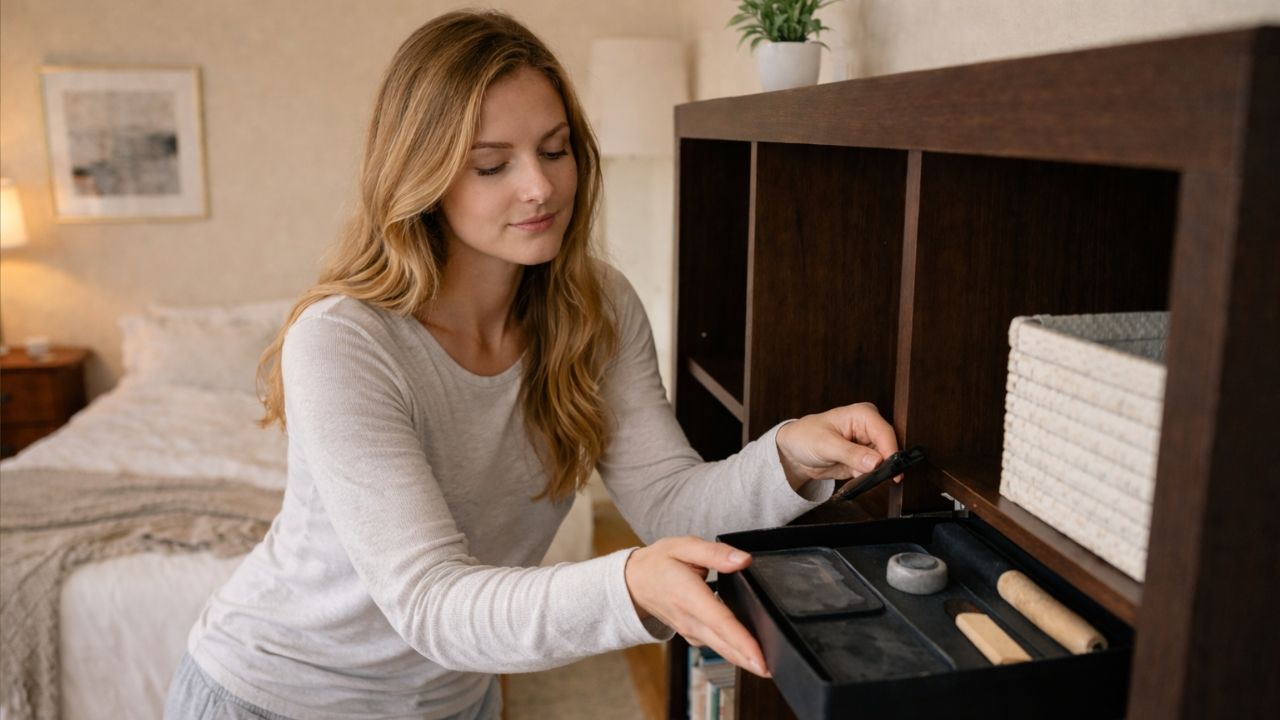
Starting Shodo does not require special equipment.
It requires readiness.
This page is written so that, after reading it, you can press play on the video and begin without hesitation.
A Small Set Is Enough
You do not need expensive tools at the beginning.
A basic starter set is more than sufficient.
Brush, ink, inkstone or ink liquid, paper, and a paperweight.
That is enough to start learning how your body and attention move.
High-quality tools matter later.
At the beginning, clarity matters more than cost.
Starter Sets Are Practical
Many beginner sets available online are perfectly usable.
Amazon or local stores offer sets that remove unnecessary decisions.
This is helpful.
The first task is not choosing tools.
The first task is beginning.
A simple set protects you from delaying practice.
About Paper and Protection
Some practice paper allows ink to pass through.
This is normal.
Use a felt mat or underlay beneath the paper.
And place a clear file or plastic sheet under that.
This keeps your table clean and removes small stress.
Small preparations preserve quiet attention.
Why a Paperweight Matters
Practice paper moves easily.
Even slight movement changes your line quality.
Place a paperweight on the upper edge of the sheet.
This keeps the paper stable and your attention undivided.
Stability of the surface supports stability of the stroke.
This is not about equipment.
It is about removing unnecessary disturbance.
The Brush Is Not a Decoration
Your first brush does not need to be refined.
It only needs to respond honestly to pressure and movement.
A brush that shows your mistakes is useful.
A brush that hides them is not.
Learning begins where feedback is clear.
Ink: Liquid or Ground
Liquid ink is acceptable.
Grinding ink is not required at the beginning.
Grinding can be introduced later as a separate discipline.
For now, focus on posture, grip, and line quality.
Do not increase complexity before stability appears.
Where This Practice Comes From
The practitioner guiding this system trained in Hiroshima.
When you visit Japan, you may encounter Kumano brushes there.
They are respected for their craftsmanship.
You do not need them now.
But it is good to know that this practice is connected to real places and real hands.
Practice remains practical when its roots are visible.
Prepare Once, Then Return Easily
Your setup should be simple enough to repeat.
If preparation feels heavy, practice will fade.
If preparation feels light, returning becomes natural.
This is why minimal tools are recommended.
Not for convenience.
For continuity.
After This, You Are Ready
If you have a brush, ink, paper, a paperweight, and a protected surface, you are ready.
You do not need approval.
You do not need perfection.
You only need to begin with care.
The video will guide the rest.
Your role is simply to stay present.
Closing: Begin Without Ceremony
Shodo does not start when everything is perfect.
It starts when attention meets movement.
Tools support that meeting.
They are not the point.
Begin simply.
Return often.